For solo developers, freelancers, researchers and families
You're the only one with the keys. What happens if you go quiet?
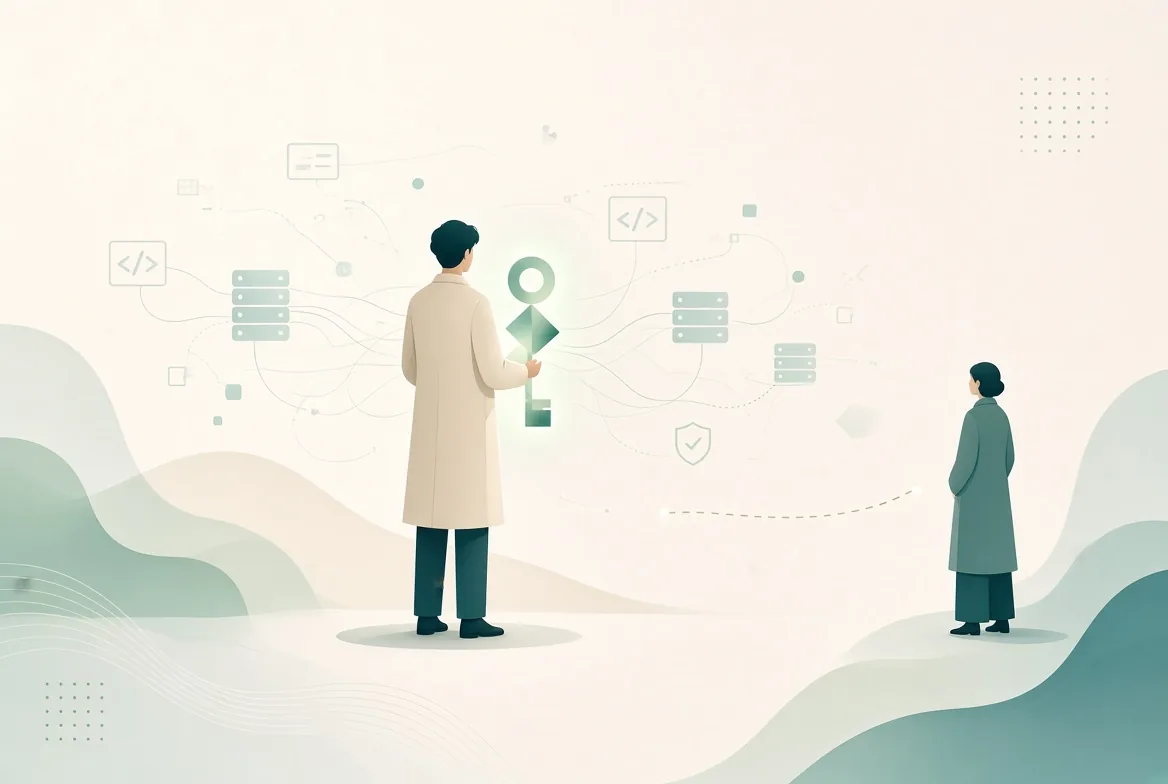
Servers, domains, DNS, client sites, the Stripe account, the repos, the hardware keys: when you run it all yourself, your bus factor is one. busfactor is a dead man's switch for developers. Check in every few weeks. If you ever stop, the people you trust are asked whether you're OK, and your handover notes reach the one person who can keep things running. Nothing leaves until it has been confirmed.
Why “busfactor”?
In software, a project's bus factor is the number of people who would have to be hit by a bus before it grinds to a halt, because nobody else knows how it works. If you built it and you run it alone, yours is one.
busfactor is the insurance. Keep a written continuity plan, and busfactor makes sure it reaches the right person at the right time, and never before.
“I built a complete ordering platform for restaurants on my own: the servers, the code, the payments, the customers. One day it hit me. If a bus hit me tomorrow, the platform would die with me, and the people who depend on it wouldn't know where to start.
So I built a switch that checks I'm still here. If I'm not, it releases my plan and my secrets to the people who know me, so they can carry the work on. Now it's free for anyone in the same position.”
How it works
- 1
You check in
Every few weeks you log in and press "I'm OK". Miss it and we remind you, twice.
- 2
Your people are asked
Still nothing? The people you chose get an email: "Is Alex OK?" with two buttons.
- 3
We wait, carefully
Silent contacts get a reminder. Two "not OK" answers, or no answer at all, start a safety wait you can cancel.
- 4
The right person takes over
Your trusted person gets a private link to your handover notes: where the keys are, who to call, what to keep running.
See it in two minutes
Not a developer? It's for you too.
Anyone can have a bus factor of one. If there is something only you know how to find, open or keep running, busfactor makes sure the right person can take over, and only when it is truly needed.
Small business owners
The accounts, the suppliers, payroll, the till and the website. Who to call so the doors stay open.
Freelancers and creatives
Work in progress for clients, unpublished manuscripts, music or photos, and where the originals live.
Researchers and writers
Years of data, drafts and notes, where the backups are, and who should have them.
The family admin
Bank accounts, bills, insurance, passwords, the will, and the things only you know how to do.
Anyone keeping secrets safe
Crypto wallets, a safe, a deposit box, private archives: how to reach them, only when it is truly needed.
Only they can open it
Locked in your browser to your trusted person's own key. Only their passphrase opens it: not us, not even you.
Links, not secrets
Your instructions are never emailed. The handover is a private link that dies the moment you check in.
Consent first
Contacts accept an invitation before they count, so nobody gets a frightening email out of the blue.
Questions
Who is this for?
It was built for solo developers, freelancers and one-person businesses: anyone whose clients, systems and income depend on knowledge that lives only in their head. But it works for anyone who is the only one holding the keys to something important, from a family's finances to a lifetime of creative work.
What should my handover say?
Whatever the person taking over will need: where the passwords and keys are, who to call first, what must keep running, what bills to pay and what can be switched off. There are ready-made templates for developers, small businesses, creative work and household affairs to start from.
How many people do I need?
At least one confirmer (asked whether you are OK) and one trusted person (who receives the handover), and one person can be both. Two confirmers is better: then one mistaken "not OK" cannot start a handover on its own. Your switch will not turn on until the minimum have accepted.
What if I am just on holiday?
Pause it for up to 90 days. And any one of your contacts answering "they're OK" resets everything straight away.
Can you read my instructions?
No. Personal messages are locked in your browser to your trusted person's own key, which only their passphrase opens, so nobody has to share a passphrase in advance. General instructions are sealed with a passphrase of your choice. We only ever store the locked versions, and names and emails are encrypted too.
How is my account protected?
Passkeys and security keys like YubiKey, authenticator apps or email codes. Turning your switch off or changing your contacts needs your password again, and you get an email about every such change.
What stops a false alarm?
Two reminders to you, contacts who must try to reach you first, a reminder to anyone silent, then a safety wait (48 hours by default) during which one click from you cancels it all. Links stop working the moment you check in.
Do my contacts need an account?
No. They accept an invitation by email and only ever hear from us if you stop checking in.
Is it open source? Can I self-host?
Yes, both. It is MIT-licensed: read exactly what it does, or run your own copy with one install script on any Ubuntu or Debian server.